


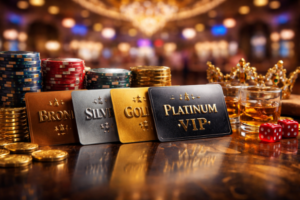



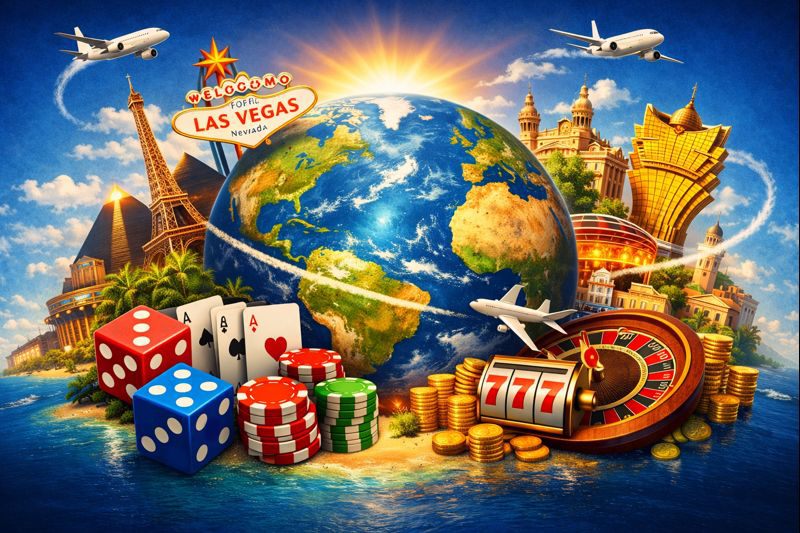
Travelers love stories. When they hear about shimmering lights and the promise of easy luck, many add a casino stop to their itinerary. Over the past decade, curious tourists have begun mixing chips with digital coins. It is now common for a visitor to choose a bitcoin casino because it feels safer, and they often look for platforms that accept cryptocurrency deposits to keep spending simple, making blockchain payments part of everyday travel fun. In the same way, a seasoned player might search out a crypto casino just to try the sleek tables of the Ethereum Casino before exploring the wider city, later chatting about bitcoin gambling trends over dinner. Even guests who still pack only cash notice how payment options keep growing; some brochures proudly highlight a convenient paysafe casino right beside the old theater district. These early choices shape entire trips: once lodging, transport, and evening plans revolve around the gaming floor, local tourism changes too. Understanding that shift helps cities welcome new waves of visitors. Local officials watch these patterns closely, eager to measure not only spending but also shifts in visitor expectations.
Modern Casino Resorts as Tourist Magnets
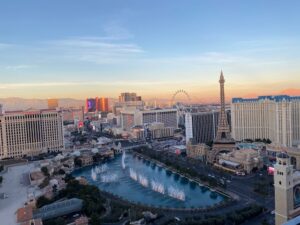
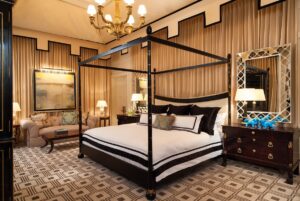
A modern casino resort does more than simply deal cards; it draws guests in by offering hotels, food courts, theaters and shopping promenades all under one shiny roof. As for travelers, this means almost everything needed for an ideal weekend escape is within walking distance from the slot machines – encouraging longer stays by providing rooms just an elevator ride away, travelers feel free to play, dine and rest as desired without feeling restricted by time restrictions or restrictions on activities or locations. Surveys in Nevada and Macau reveal that guests arriving for just one night of gambling often extend their trip by two to three days due to spa offerings or headline magician performances that extend late into the night, creating ripple effects throughout. Taxi drivers wait in the front loop, tour guides offer morning bus rides to nearby landmarks and street artists gather near exit points of crowds – even small souvenir stalls feel their boost in business. An international poker tournament at a resort can increase hotel occupancy to almost 100% – in other words, serving as an anchor attraction to draw foot traffic to support local tourism networks.

Economic Ripples in Neighboring Businesses
Casino floors draw headlines, but nearby businesses often feel its effects more directly. Restaurants along adjoining streets report increases in table bookings at night when hungry players seek a respite from neon. Family-run bakeries that open early can make money off breakfast sales from hotel guests who prefer fresh pastries over buffet offerings. Clothing boutiques can also capitalize when guests realize they forgot an important dress shirt or need a souvenir jacket. Tourism boards in Atlantic City and Monaco estimate that every dollar spent at casinos generates roughly forty cents in additional spending outside. Employment also increases. Seasonal musicians and street performers take on additional gigs, turning boardwalks into open-air stages. Bartenders, security guards and local tour operators find consistent work even during off-season months when casinos remain full. Property owners see rising rents; while this could be good for investment but difficult for long-term residents. This economic ripple shows how gaming culture spreads money through a community; its fate tied directly to spinning roulette wheels.
Casinos serve a dual function: cultural exchange and entertainment value
An avid Swedish gambler could sit next to an enthusiastic Brazilian tourist, all cheering when the dice land correctly. Meetups hosted in lounge areas provide guests with an opportunity to exchange travel tips, favorite recipes and tales of near misses at roulette. As an alternative, many casino operatorss have begun hosting cultural festivals, food fairs and international music nights all under one roof. Japanese drumming shows may follow Irish folk dance performances for guests to get an immersive cultural experience without leaving the building. Local artisans are invited to set up craft corners where they sell handmade jewelry or paint customized playing cards, and these pop-up markets expose travelers to regional art while providing creators with additional income streams – with added heritage sites as a side benefit! As casinos attract day trippers, temples, museums, and historical squares also experience increased foot traffic. The impact is twofold; brochures at these landmarks often promote blackjack competitions being hosted there – connecting casinos into the fabric of travel destinations around them.
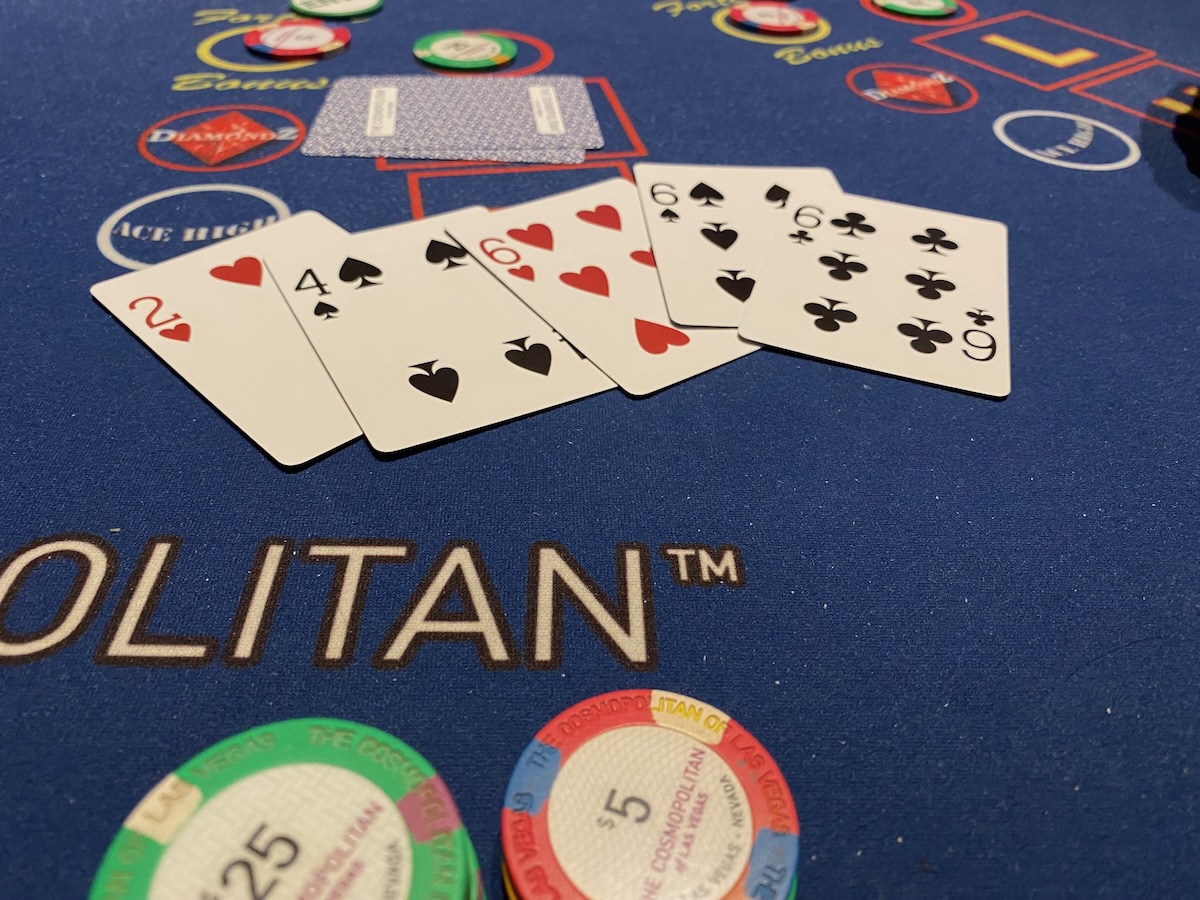
Tourism Planners Strike a Balance
Every new jackpot comes with risks, and smart tourism planners understand this fact. Increased traffic strains transit and bright lights clash with heritage skylines; some critics argue that local businesses lose character when large gaming chains arrive in town. Studies conducted in Singapore and Niagara Falls reveal mixed outcomes: household incomes increase while housing costs go up as well. Governments manage this imbalance by taxing gambling revenue while funding parks and schools as necessary. Some regions dedicate a portion of this revenue to heritage conservation, repainting old facades and renovating public fountains. These visible upgrades help locals understand that casino’s presence provides tangible benefits. Responsible gaming campaigns, clear signage and staff training help reduce problem gambling among both visitors and residents. Cities like Melbourne have instituted mandatory break periods where machines pause play to encourage guests to explore other attractions outside the casino. By carefully planning, destinations can reap both economic and cultural advantages from casino culture without succumbing to slot machine culture’s siren song of slot machines eroding local identity.
JOIN OUR NEWSLETTER
You’ll get insider updates, deals , commentary and “what’s up”
2x a month with no spam ever.
Sign up-> HERE
GET MORE from TRAVELZORK
Book Travel with: TravelZork Travel
Stay up to date with: ZorkFest
Join the TravelZork FB Group -> HERE
Also: Watch, Like, and Sub on YouTube
Check it out: The Yo-11 Minutes Playlist on YouTube
Freelance Travel writer from New Jersey, Tony "The Postcard" Badalemente got his nickname from his long-standing habit of mailing handwritten postcards to editors, colleagues, and even strangers he meets on the road—each one stamped with his signature looping handwriting and a story too candid to fit in print.